Blog Feed

Blog 10 Extra Credit: Lassa Fever Outbreak in Nigeria

The Next Global Health Emergency? What Is Lassa Fever? | The ...
https://nationalinterest.org/blog/buzz/next-global-health-emergency-what-lassa-fever-123436

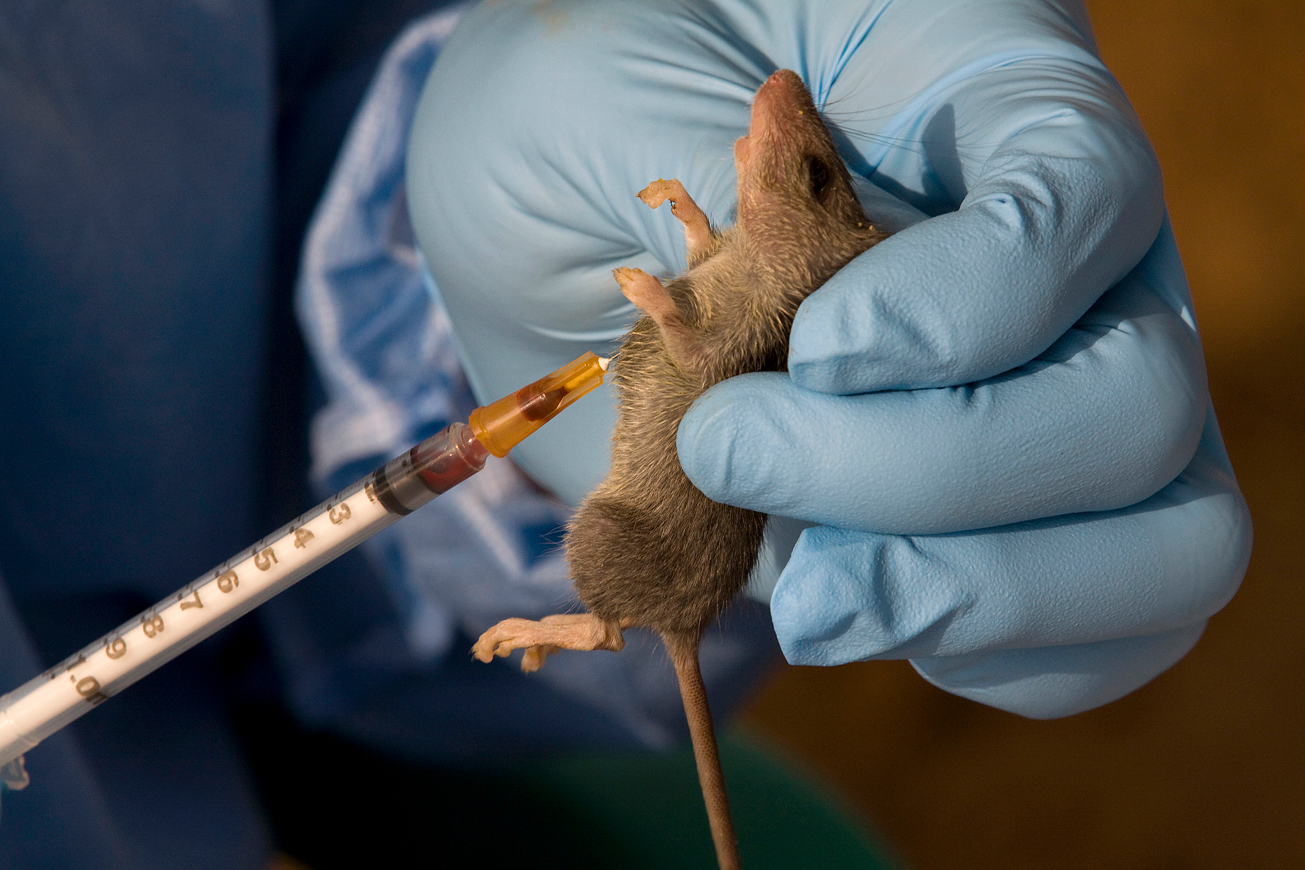
Though it seems like Covid-19 may be the only outbreak going on, I can promise you it’s not. Maybe that makes me the bearer of bad news, but I also think it may be a good thing to alleviate our minds from thinking about the Coronavirus occasionally. I will say, the Lassa Fever in Nigeria seems to be much milder than the Coronavirus. Lassa fever is a virus that is mainly endemic to West Africa and is spread through the fecal matter of infected rodents or through direct contact with an infected person. According to the CDC, the symptoms include a mild fever, weakness, and headache but for some may also include serious symptoms such as bleeding in the gums, eyes, or nose, difficulty breathing, vomiting, swelling of the face, or even coma and death.

The WHO reported that between January and February of 2020 there were “472 confirmed laboratory cases and 70 deaths.” There is usually an endemic of this during their dry season which is December-April which goes right along with the reproductive season of rats. What a coincidence, right? Another good thing about this virus is that it only shows symptoms in approximately 20% of those it infects, while the other 80% are asymptomatic. This is similar to what we may be seeing with Covid-19, which is hard to think right now since we are seeing so many deaths. Truth be known, a lot more have had this virus than just those that have been admitted to the hospital or even tested. These are probably the same people that are spreading the Coronavirus to everyone in the grocery store.

Another site says this Lassa fever outbreak may be one of the largest and deadliest Nigeria has Nigeria in years. As of March 18th of this year, the virus had killed 161 people. This viral hemorrhagic fever is one of the many diseases taking hold of Nigeria. This same site says, “Most of the infectious diseases afflicting Nigeria originate from animals — including Lassa fever, monkeypox, yellow fever, and now COVID-19.” This is an interesting fact that may lead to some suspicion over how they are controlling their interaction with animals. Not to mention the fact that Nigeria is having to fight off both this virus along with the threat of the global pandemic of Covid-19. I think it is hard to realize that though Covid-19 is taking over our lives right now, it really could be worse and we could be dealing with another deadly outbreak such as this hemorrhagic Lassa fever.

It seems that one of the solutions for combatting Lassa fever is practicing proper community hygiene and keeping out of contact with rats and rodents as much as possible. This seems like it would be an easy for us in the United States with all of our resources, but I have no idea if this would be an easy task for Nigeria or not.

Enter Lassa fever) : memes
https://www.reddit.com/r/memes/comments/f3xv12/enter_lassa_fever/

Blog 10: Monoclonal Antibody Drugs

1. Humira | FiercePharma
https://www.fiercepharma.com/special-report/1-humira-0

The FDA approved monoclonal antibody I will be digging into for this blog is adalimumab otherwise referred to as Humira or Amjevita. Taken directly from the Mednet website, “The term monoclonal antibody means that the man-made antibody is synthesized from cloned immune cells, and the identical monoclonal antibody produced binds to one type of antigen. ” These monoclonal antibodies originate from a single B cell clone so that they all have the same constant and variable regions which makes them easier to identify in a lab setting because of their consistency. It seems to be pretty amazing that we are able to figure this kind of thing out and then put it into practical use to find out even more with diagnostic tests. So let’s dig into our specific one: Humira.

This drug was mainly created for those that struggle with rheumatoid arthritis, polyarticular juvenile idiopathic arthritis, psoriatic arthritis, ankylosing spondylitis, Chron’s disease, and hindradenitis suppurativa in people over 12 years old with hopes to stop further joint damage and make life less painful. Arthritis can be crippling pain that can hinder a person from doing the things they love, so any type of fix for this is helpful for many. So how does this work? Drugs.com tells us that it is an injectable protein that is a TNF alpha inhibitor that will stop the actions of TNF inside our body. As we know TNF triggers inflammation in the body, therefore this drug will help stop the inflammatory response. Inflammation is one of the causes for most of the diseases listed above that this drug was purposed to help with.

Although it seems to be a great drug, there will always be setbacks and side effects. These possible side effects are listed on the Humira drug information page linked above and include:

  • Serious infections such as TB and others caused by viruses and fungi
  • Hepatitis B infection for carriers of this virus
  • Allergic reactions
  • Nervous system problems
  • Blood problems
  • Heart failure
  • Immune reactions such as lupus-like syndrome
  • Liver problems
  • Psoriasis

Taking these side effects into account, you must then make a personal decision of whether the risks outweigh the benefits. From what I know, all of the diseases listed above can make a person miserable and unable to do simple everyday tasks such as get dressed or do the laundry or make a sandwich. Depending on the likelihood of these side effects and their incidence along with your own situation, I would say it would be worth taking the risk. According to another website called drugwatch we see that this drug can cause infections such as TB, Hepatitis B, bacterial sepsis, and invasive fungal infections. If you have tested positive for any of these things before starting Humira, it is encouraged that you talk to your doctor before starting it because of the fact that taking the drug will put you at a higher risk. Especially with TB, they encourage you to start treatment for this infection before starting Humira. This is all because there have been adverse outcomes when this drug is taken alongside having a TB infection. The innate immune response is affected negatively by this drug, but that is the whole point because you are wanting to suppress the immune system. It is an immunosuppressant drug against the immune system.

This drug is one of the most used drugs on the market today and has helped many people. Monoclonal antibody drugs are making way for many medical treatments and this is just the tip of the iceberg!

Blog 9 Extra Credit: Tuberculosis and Malaria

We are all so caught up in the Covid-19 pandemic that we are forgetting there are millions of other diseases circulating right now. I was talking with my mom just the other day about the fear of the Coronavirus when we came to the conclusion that this is how anti-vaxxers should feel every day about so many other diseases, since they have no immunity. So let’s take our focus off of the coronavirus for just a few minutes and look at a couple other diseases that could impact us. One of these is Tuberculosis. Tuberculosis can be a serious infection of the lungs with symptoms of cough, night sweats, weight loss, and fever. The Global Fund recently posted an article discussing the new initiative to end Tuberculosis in the workplace. This initiative involves many large-scale corporations such as Johnson and Johnson and Royal Phillips that are fighting the spread of TB. The article says, “TB is the world’s deadliest infectious disease – killing 1.5 million people in 2018, more than HIV/AIDS and malaria deaths combined,” noting that a lot of cases are associated with the spread through the workplace. By starting this initiative they will not only be looking out for the health of their workers, but will also be avoiding the economic burden TB brings with it.

Ending Tuberculosis is Good for Business: New Initiative Launched ...
http://www.stoptb.org.ua/2020/01/22/ending-tuberculosis-is-good-for-business-new-initiative-launched-to-catalyze-action-to-end-tb-in-the-workplace/

Another disease present in our world is malaria. The malaria report of 2019 said that this disease is “increasingly a disease of poverty and inequity.” The thing that is helping the number of malaria cases go down the most is the global investment to prevent this disease and without these investments, the numbers would be much higher than they are today. The article tells us that 93% of malaria cases are in Africa and it targets mainly pregnant women and children under 5 years of age. The main reason it is so prevalent in this area is because they do not have the resources like we have here in the United States to both prevent mosquito bites or the life-saving interventions available to us. This is why global investment and action into this disease is helping so much. It is more of a resource issue than anything else, and if we work together to get them the help they need, we could eradicate this disease. This would be quite an accomplishment considering how many lives Malaria takes each year.

So what IS happening outside of this Coronavirus pandemic? None of us would know because we only ever hear about Covid-19 on the news, at the store, on Instagram, everywhere. I believe that we have taken our focus off many other major health issues with the rise of this pandemic and when everything starts to calm down, all of these issues will start to emerge out of the shadows again. Maybe worse now than they were when we began all of this craziness. I am not saying that we should be taking the coronavirus any less serious, but if we put the precaution and research into every other disease like we are for the Coronavirus right now, we could have a lot less of circulating diseases. But also, we would never get everything done because we would be consumed with worry of infection and how these diseases have the power to dominate our world. So all in all what I am trying to say is that maybe we should begin to open our eyes back up to the other circulating diseases so that we don’t dig ourselves another hole after we get out of this one from the Coronavirus.

Blog 9: Antibody Response to Covid-19

Governments around the world are hopeful that serology tests can tell them which people are protected from reinfection and can safely go back to normal activities.
https://www.nytimes.com/2020/04/10/health/coronavirus-antibody-test.html

We are looking for anything that will help us with this Covid-19 outbreak. A drug, a vaccine, a test, a containment method, anything. An article was posted in the New York Times labeled, “Will a Coronavirus Antibody Test Allow Us to Go Back to Work or School?” First of all, I understand the concern with how this virus has disrupted our lives, but why don’t we name the article “Will a Coronavirus Antibody Test Allow Us to Diagnose and Prevent the Spread of the Coronavirus?” It just seems like maybe that’s what we should be more focused on. Anyways, the article discusses the possibility of using these antibody tests to see if an individual has or has ever had the Coronavirus. If they have had the virus, they are considered to be immune and there is a thought about possibly distributing “certificates of immunity” to allow people to return to work. So what are these antibody tests looking for? They are looking for the body’s immune response mainly through the levels of antibodies IgM and IgG which serve a different role throughout the course of the immune response.

IgM is the first type of these antibodies to appear with an immune response and is a very general type of antibody that is present to fight off invaders. The levels of IgM will spike within the first few days of infection since they are the initial fighters. The next antibody to respond is IgG. This antibody has the ability to target specific viruses such as the coronavirus, but take longer to reach their peak. As the IgG levels rise, the IgM levels lower. These are the two main antibodies in focus for the antibody tests. Titers will reveal if a person has ever been exposed to the virus. A positive IgM titer would mean that a person was recently infected, a positive IgG titer would mean it has been 28 days or less since a person was first exposed, and if both are positive, this would mean a person is currently in the midst of an infection. If a person is only IgM positive or both IgM and IgG positive, they are currently infected, whereas if they are only IgG positive, this means they were infected in the past, but are no longer infectious.

Stanford Medicine has created a test that will detect the presence of antibodies against SARS-CoV-2. This article tells us that most of the tests being used right now are genetic tests looking for the Coronavirus, but this antibody test will survey the blood plasma for the presence of antibodies indicating an immune response. These tests only take 2-3 days to get results. This would be incredible to have widely available for testing because, as of right now, it is taking approximately two weeks to get some of the tests back, meaning there is a lot of time for someone to worry about spreading the virus before they actually know if they have it or not. Since the test is relatively new, there are still a lot of unknowns about the antibodies and what the levels may indicate. One thing they mentioned, which I found very interesting, was that this kind of testing would have the capability to determine how many of those in the population have had the virus but have shown little to no symptoms. The longer this virus persists, the more discoveries we are making and the closer we are getting to a cure and accurate diagnostics.

Blog 8 Extra Credit: Covid-19 Antiviral Drugs and Vaccines on the Horizon?

The question everyone is asking is how in the world are we going to treat this virus? And how long are we going to have to wait for a treatment? We need some kind of antiviral drug or vaccine in order to contain this virus and stop it from taking so many lives of our loved ones across the globe. So far there are a couple of hopeful prospects including the antiviral drug Remdesivir and a vaccine against SARS-CoV-2, which is the coronavirus causing the Covid-19 pandemic.

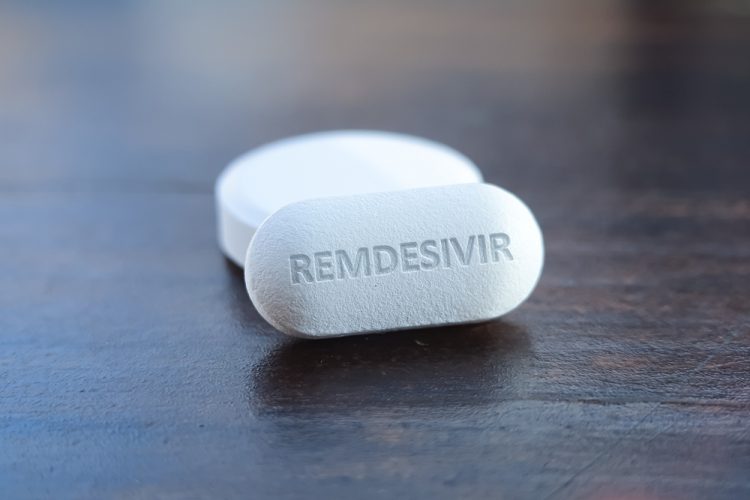
Remdesivir is an antiviral that is not technically licensed or or approved anywhere globally, according to Drugs.com. This antiviral drug is undergoing investigational clinical trials to later be used as a treatment for Covid-19. Another article describes the way this drug works. Supposedly it will insert itself into the viral RNA thereby preventing the Covid-19 virus from replicating. This all sounds great, but it still isn’t approved by the FDA. How long will that take? Well, the FDA is allowing some “compassionate use” of the drug. According to NPR, “The FDA says it has granted this sort of access to remdesivir to about 250 patients already.” I believe this is a good way to handle this situation because if it were me or any of my loved ones who were dying from this virus and there was a treatment that might work but hadn’t been approved yet, I would on any given day give them permission to use it on me.

Two Phase III trials to study remdesivir in COVID-19 patients ...
https://www.europeanpharmaceuticalreview.com/news/116223/two-phase-iii-trials-to-study-remdesivir-in-covid-19-patients-initiated/

Another option of treating this virus is a vaccine against SARS-CoV-2. According to UPMC, this vaccine was fairly easy to continue on with because it had been in the making since the previous coronavirus outbreaks. They are calling this the “PittCoVac.” They reported that “When tested in mice, PittCoVacc generated a surge of antibodies against SARS-CoV-2 within two weeks of the microneedle prick.” Would this mean that once this vaccine is approved, we could begin to fight this virus within 2 weeks of receiving it? That would be game-changing. Unfortunately, testing this vaccine in humans would be a much longer process, so this vaccine will most likely not be available for a little while.

Falo Gambotto SARS 17 release
https://www.upmc.com/media/news/040220-falo-gambotto-sars-cov2-vaccine

It brings hope to many to see that the scientists are hard at work for the sake of saving lives. We don’t thank those scientists enough. Maybe one way we can thank them is by buying them some time to develop a treatment and stay inside, wash your hands and stop touching your face.

Blog 8: T-Cell and Dendritic Cell Therapy

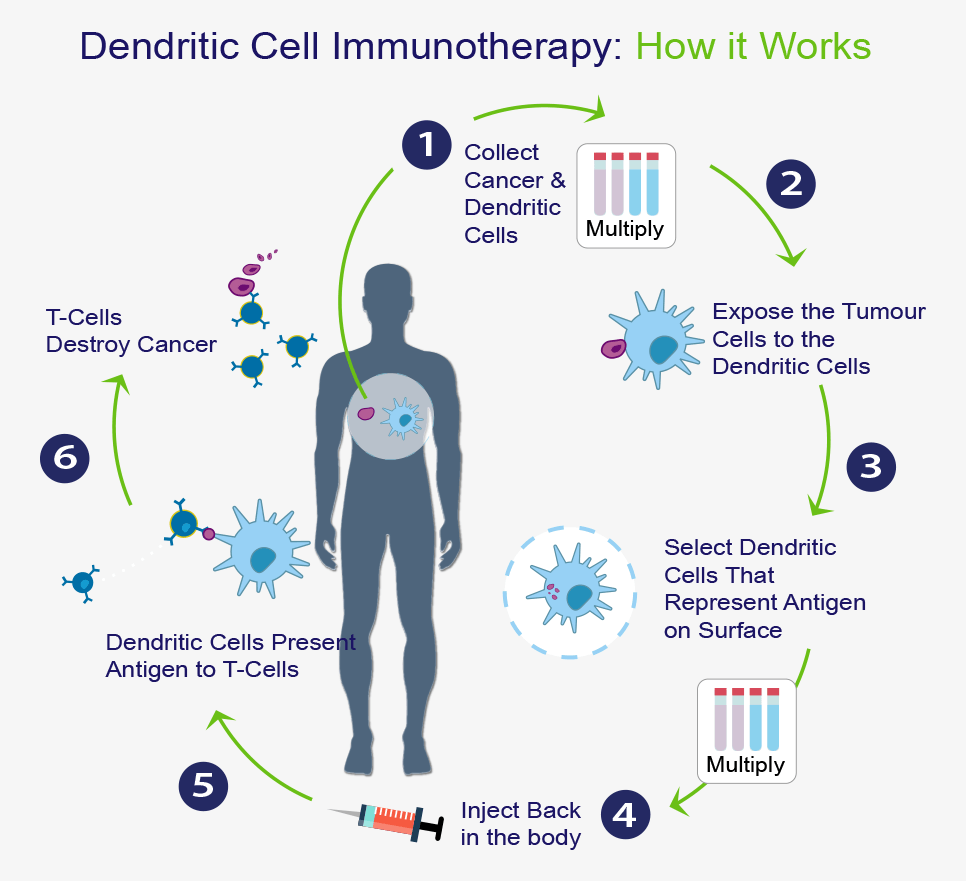
Until recently, I had never heard of T-Cell and Dendritic Cell Therapy, after hearing about it though, I wanted to know more. Dendritic cells circulate in the bloodstream and are ready to display any foreign antigen to the killer cells of the immune system. Dendritic cell therapy is an interesting method used to fight cancer. A quick rundown of dendritic cell therapy is that within a lab they will multiply your dendritic cells and then train them by putting them in the presence of your very own cancer cell type so that when they are put back into your body, they can fight it off. This treatment is very personalized because you have to use YOUR dendritic cells and present YOUR type of cancer to them. Therefore, I bet it is no cheap or quick fix. Mainly, this type of therapy is just boosting your immune system. Especially with cancer, we need all the help we can get to fight it off.

Stem Cell Treatment for Cancer in Mexico | Dendritic Cells ...
https://www.stemcellmexico.org/cancer-treatment/

When doing my research on dendritic cell therapy along the lines of cancer, I discovered a research article that discussed this method. They actually referred to the method as a cancer vaccine. If there were vaccines for cancer, I would bet you that even the anti-vaxxers wouldn’t be able to resist it. This would be a therapeutic vaccine though, meaning that it would not be used for the traditional prevention purposes, but rather as a treatment that would boost the immune system.

Another type of therapy that is being used against cancer is T-Cell Therapy. T cells are important for finding and destroying the invaders of the body. A specific type of T-cell therapy is CAR T-cell Therapy. According to the Cleveland Clinic, “CAR T-cell therapy is a type of cancer therapy that uses a patient’s own modified white blood cells to kill cancer cells.” This is done by removing the T-cells from the body, genetically modifying them in a lab so that they are more capable of detecting cancer cells, multiply the amount of these T-cells within the lab, and then return the T-cells to the body in hopes that they will do their job and attack the cancer cells. This makes me think of someone putting a soldier on the frontline and then realizing he is not good enough for it. So they take him off the frontline and train him for a couple weeks and train even more soldiers and then they put them right back where they started on the frontline hoping for a more successful battle.

Although it all sounds like a field of flowers, it has its downfalls as well. Some side effects of dendritic cell therapy may include fever, insomnia, anorexia, joint soreness, and/or rashes. These don’t seem to be too intense of side effects though, so overall I would say it is worth the risk in most cases. Risks that come with CAR T-cell therapy may include a low white or red blood cell count, neurological events such as aphasia or encephalopathy, and/or cytokine release storm which has flu-like symptoms. These seem to be a little more troublesome than those mentioned for dendritic cell therapy, but once again, we must weigh the risk factors with the successful treatments. Not to mention, both of these treatments are quite expensive. T-cell therapy is normally around $375,000 and dendritic cell therapy is approximately $18,500 per “set,” which is usually 5-7 vaccines. That is a heck of a lot of money that most don’t have just laying around.

It is always amazing to hear about these new methods that are being created to fight off any disease. It makes me in awe of the creativity of the human brain and the discoveries we are able to make. People are so smart…well, when they want to be :).

Blog 7 Extra Credit: Tuberculosis

Tuberculosis: Symptoms, Treatment & Prevention | Live Science
https://www.livescience.com/tuberculosis.html

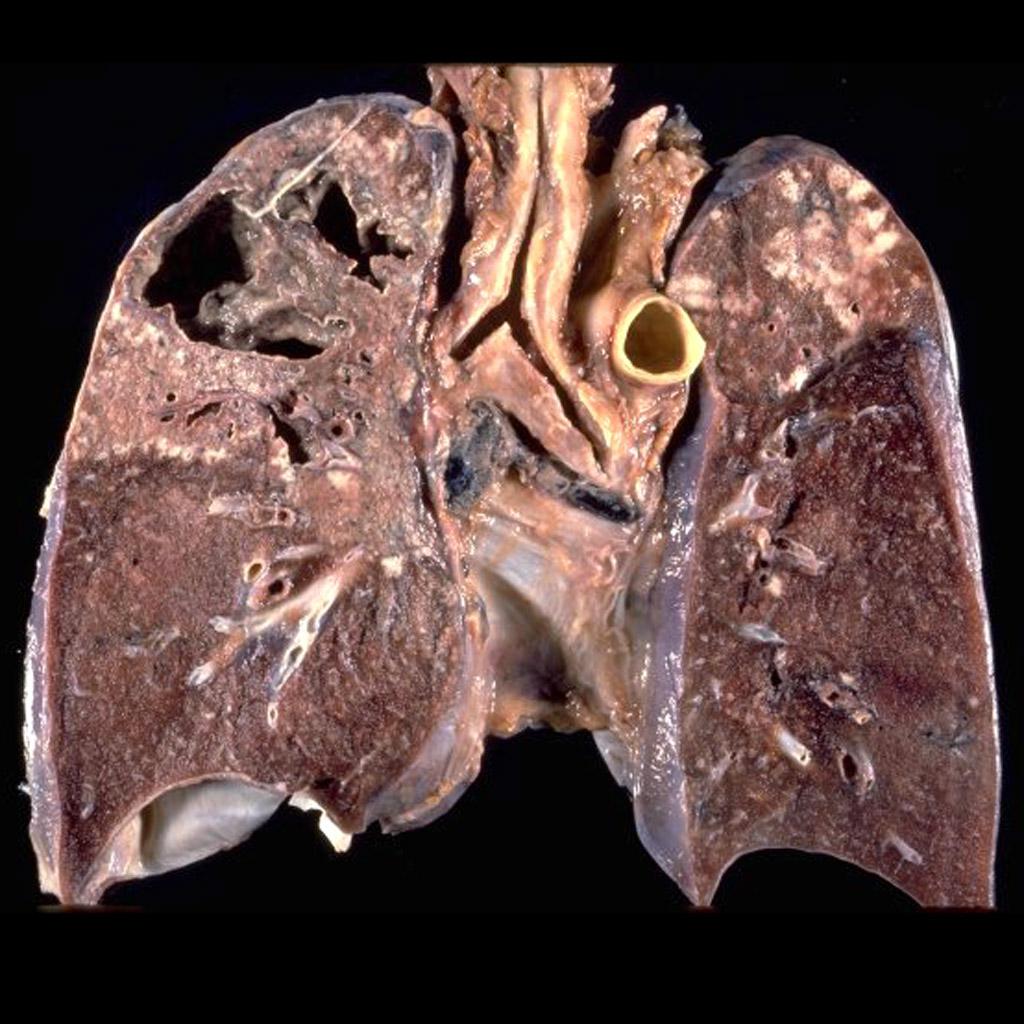
Tuberculosis is one of the things people fear the least right now amidst the Covid-19 outbreak, but should we be more worried than we are? Tuberculosis is an infectious disease that mainly affects a person’s lungs causing them to have a cough, fever, chills, weight loss and many other symptoms. This disease is quite contagious and is spread through respiratory droplets from person to person. Tuberculosis can be either latent or active, and if latent, it can live in the body with little to no symptoms for many years before a person knows they have it. Over the years, it has developed resistance to many drugs so that now people must take multiple drugs at one time for approximately nine months in order to get rid of the disease and not cause any more resistance to develop.

It is always alarming for me to hear that a disease has a lot of antibiotic resistance because it makes me worry about what will happen with the number of infections we will see in future years. However, there are scientists that have this same worry and are constantly looking for new treatments. In October of 2019, a group of researchers made some new discoveries about this disease and have actually created a new antibiotic therapy method for TB. The article says, “In times of rising resistance of mycobacteria to the antibiotics in use and no effective vaccination against tuberculosis in place, the researcher provide an important basis for the development of novel antibiotics that target the assembly or function of the type VII secretion systems.” This is encouraging news for all of us! It is incredible to me that one little discovery about a disease or pathogen can have an enormous impact leading to a new therapy that could one day be used to more effectively treat this disease that takes so many lives each year.

So how is TB being handled today? In the WHO’s Global Tuberculosis Report 2019, they noted that prevention was one of the best methods to control tuberculosis. They said, “Prevention of new infections of Mycobacterium tuberculosis and their progression to tuberculosis (TB) disease is critical to reduce the burden of ill health and death caused by TB.” I’m sure the majority of us, as students, have been tested at least once for TB. Weird fact about me: I personally love getting TB tests. This is one of the many prevention methods that are in place when you begin a new job, travel to certain areas, or enroll in a university or other large institution. Other prevention methods include taking the antibiotics you are prescribed for the entirety of the time they are prescribed to you by your doctor if you are infected, creating infection control plans within hospitals and other offices, rapid diagnosing of the disease, improving room air ventilation, and the classic…wash your hands and do not touch your face.

So while Covid-19 is at the forefront of our minds right now, we cannot forget that there are other diseases taking lives each day.

Cavitating pulmonary tuberculosis (gross pathology) | Radiology ...
https://radiopaedia.org/cases/cavitating-pulmonary-tuberculosis-gross-pathology-2

Blog 7: Life Update Corona Style

Time Traveler What Year Is It Me 2020 - Corona Virus Meme - Shut ...
https://www.shutupandtakemymoney.com/time-traveler-what-year-is-it-me-2020-corona-virus-meme/

Covid-19 has thrown everyone out of whack and for good reason. We are living through uncharged territory right now and I think it has everyone on edge. When I first heard that we were getting an extra week of Spring Break and going to be taking online classes for a little bit, I was excited. Later, when I realized that we were probably going to be out of classes for the rest of the year, the sadness set in. Everything I had planned to do with friends or for my academics when I returned from Spring Break were now down the drain. I ended up having to take two trips to Chapel Hill to get things, which was incredibly inconvenient considering that it is an 8 hour drive round trip from my house.

Aside from all the slight inconveniences this virus has caused me, it has made a serious impact on others. I feel bad complaining about my minor inconveniences in light of these devastating numbers of fatalities the virus has caused across the globe. It has honestly been hard for me to actually realize that it is reality, only because I have not had anyone I know personally become infected with Covid-19. Initially, I began to worry about the fact that I wasn’t worried about the virus, which brought on anxiety like I had never experienced before. This taught me some valuable lessons in my faith more than anything. It made me realize that even when everything is changing, my God remains unchanged. This brings the question, “Well why is God allowing such horrible things to happen to His people that He loves so much?” This is a hard question that I am still exploring, but I do believe this is an opportunity for us to see that we are not in control and never will be. This is an opportunity for us to grasp onto the truth that we are inches from mercy and we must depend on the one who is in control of it all. Personally, I believe we are on the edge of a worldwide revival. I don’t believe it is the end of this world, as some are saying, but rather that this is more of a wake up call.

Anyways, back to how I am handling all of this. I have begun to rest in the Lord more (as I mentioned above), set aside more time for exercising, and tried to adjust to the new ways of studying at home. Exercising has become my outlet that allows me to get out of the house and get much-needed time away from family and studying. I have had difficulty adjusting my studying habits because usually, when I am at home, I do little to no work, but this is not an option anymore. I had to rearrange my house and create a study space to do my work at in order to keep me motivated. It is still difficult to ignore the puppy dog eyes that look up at me and the tennis balls that are dropped at my feet amidst all my efforts to stay focused. It has been quite an interesting and difficult transition, but I think change is often good for all of us and I am thankful to be healthy and safe at home. Not to mention, Instagram and Tik Tok have had some pretty amazing content relating to the Corona virus.

Here are the best coronavirus memes to laugh through boredom
https://filmdaily.co/news/coronavirus-memes/

Blog 6 Extra Credit: Covid-19 Update

Image result for COVID 19
https://abc7ny.com/5988128/

Just as we suspected, Covid-19 has made even greater of an impact on the world. The Lancet gives some information about the epidemic itself. Most countries will experience effects of the virus before it can be reduced by any type of treatment or containment plan. In the meantime, social distancing and isolation have shown to be effective in reducing the number of cases. One of the other parts of this article I found the most interesting are the statistics on the severity of the cases. It says, “about 80% of people with COVID-19 have mild or asymptomatic disease, 14% have severe disease, and 6% are critically ill.” This goes to show that the majority of those who have this disease may not even know it. In fact, some of us could have come in contact with it and just not realized it. Because of this we are acting as asymptomatic carriers and spreading the disease to the elderly and immunocompromised where it will be a more critical or even fatal situation. The duration of the infectious period seems to be fairly long for the virus. Although some sources say differently, the average is around 10 days. This is now considered more than an epidemic and is rather a pandemic because it has spread across the globe.

This is a hot topic in the United States right now as Covid-19 has made its appearance and begun to spread rapidly. States are quickly going into states of emergency with the increasing number of outbreaks. Universities, companies, and communities are taking extra measures of precaution by minimizing person to person contact, large crowds, and increasing disinfecting measures. The Washington Post notes that the main problem with this disease is that we are still learning about it and we don’t know whether it will go away or decrease in the summer months, we don’t know what its exact fatality rate will be, and how different climates may affect the spread of disease. These are all important features of the virus that will determine its spread and the only way to discover the answers to these questions is to give researches time to study the course of the virus.

The Washington Post also discusses the seriousness of this virus when it hits less developed countries. This article says, “One of the grim lessons from the 2014-2016 Ebola outbreak in West Africa is how an epidemic can grow when it hits countries with weak health infrastructures.” This is a thought I had not thought about previously, but is a very good point. If we in the developed countries are having difficulty treating and containing the disease, how do we expect underdeveloped countries to do this. We have a great number of resources to use, whereas in these countries they have very little. The best way to help this situation is to prevent the spread of the virus to these areas, but this can only be done for so long. We need to begin thinking about ways to help with this, but problems may arise with this as well. How do we go to these countries trying to help prevent the spread when we ourselves may be the asymptomatic carriers?

Altogether Covid-19 is causing quite an uproar in not only our nation, but worldwide. Stay tuned for more updates on this pandemic, but in the meantime…wash your hands and don’t touch your face! 😉

Image result for COVID 19 memes
https://www.hindustantimes.com/more-lifestyle/covid-19-attack-humorous-memes-jokes-relieve-stress-in-tough-corona-times/story-4fhPHDK2A4DHZpCshdU4NO.html
Image result for COVID 19 memes
https://ruinmyweek.com/memes/coronavirus-travel-memes/3/

Blog 6: Sexually Transmitted Diseases

Image result for gonorrhea
https://www.shutterstock.com/video/search/gonorrhea

Gonorrhea is a sexually transmitted infection that can be asymptomatic in both men and women. When symptoms do occur, there is often pain while urinating and abnormal urethral or vaginal discharge. Gonorrhea has become increasingly antibiotic resistant and the number of cases is on the rise in the United States. Either resistance or an increasing number of cases is a scary thing, but it is even scarier when we have both of these occurring at the same time. CBS News reports that the data collected in 2018 showed that “a total of 583,405 gonorrhea cases were reported, a 63% increase since 2014 and the highest number reported in 28 years.” This is an alarming number. Any rise in STIs is undesired, but these numbers show that it is more than just a small increase, so it is obviously something we need to pay more attention to.

Lately, we have seen a rise in antibiotic resistance for the treatment of gonorrhea. An article in The Washington Post reveals that “half of all new gonorrhea infections are resistant to at least one type of antibiotic.” This means that what we once thought of as a little, curable sexually transmitted infection could reemerge as more of a threat to the population than it was when we had the antibiotic. It doesn’t help that many cases of gonorrhea are asymptomatic and people will go untreated because they don’t even realize they have it. When a person does not realize they have the infection, they will continue on with their lives and this could mean they are not taking as many precautions to limit its spread. These normal prevention methods may include abstinence, monogamous relationships, and consistent use of condoms. These are the behavioral methods that are most often used to prevent contracting many of the STIs.

In an article referencing the developing antibiotic resistance of gonorrhea on ScienceDaily they discuss the urgency of coming up with new treatment methods so that we can keep this disease under control when the antibiotics completely stop working. Medical doctor Gail Bolan says, “We expect gonorrhea will eventually wear down our last highly effective antibiotic, and additional treatment options are urgently needed.” I agree with this idea and it is surprising to me that we rely so heavily on this one treatment method instead of searching for more methods. It is as though we found a single treatment and then threw all our trust into it without considering what the repercussions could be years down the road. Maybe we should keep this in mind the next time we find a treatment to a disease or infection. Just because we find one solution doesn’t mean there aren’t any more and we must keep on searching and progressing.

Image result for sTD meme
https://www.mememaker.net/meme/std-stds-everywhere/