Blog Feed

Blog 5 Extra Credit: HPV Vaccine

Image result for HPV vaccine
https://www.health.harvard.edu/blog/good-news-about-the-hpv-vaccine-2017101112510

HPV is one of the most common sexually transmitted diseases and causes of cervical cancer. There are approximately 100 different strains, 40 of which can cause genital warts. The main oncogenic strains are 16, 18, 31, and 45 and these are responsible for 70% of cancers. Scary, right? Well good news, you can get vaccinated for it today! The HPV vaccine is given in a series that contains two shots if you begin before turning fifteen or three shots if you begin the series of shots after turning fifteen. There is a bit of controversy about getting your child vaccinated for HPV when they are young because many think that if they get their child vaccinated for a sexually transmitted disease, it allows them to start having sex. This is not the case at all, as there is nothing in the fine print of this vaccine that signs your child up to start having sex when they get this vaccine. It simply protects your child in the instance that they do have a sexual encounter with an infected person. In fact, the vaccine works best if you get it a while before becoming sexually active according to Planned Parenthood.

As of right now, the vaccine has been immensely praised for reducing the rates of cancer we are seeing from HPV. The brand name of this vaccine is Gardasil and it protects against nine different strains of HPV. According to TODAY in January 2020, in a study of 586 women there were no cases of HPV16 or HPV18 found, which are both cancer-causing strains. I believe this is an indication that with this vaccine we may have the ability to eradicate some strains of HPV as a whole. Although HPV mainly causes cervical cancer, it is not restricted to this area of the body as it can also cause anal, penile, vaginal or throat cancers. As for side effects, the only ones that are common include local redness, pain and/or swelling, but this is a fairly normal side effect for most vaccines. According to a doctor interviewed in the article above, many times they will monitor teenagers for 15-20 minutes after receiving the vaccine to ensure there are no problematic side effects such as fainting or any other adverse reactions.

I remember when I was about to get this vaccine, I was telling a friend about it and she said her mom was not letting her get this vaccine because it caused infertility. I went home to my mom, who is a registered nurse, that day and informed her that I would not be receiving the vaccine because it caused infertility. My mom quickly informed me that this was false information being spread about the vaccine and I would still be receiving it. Thanks for that, Mom, you’re the best. This was one of the many claims made against the vaccine. In fact an article was published by science alert regarding the false claim that it caused infertility. According to this article the author of the false study said that “America’s record-low birth rate is caused, at least in part, by the HPV vaccine.” The problem is that Gayle DeLong, who collected this information and is neither a scientist nor researcher, performed her study on women aged 25-29 with a college degree, which is below the normal age for this group of women to begin having children. No wonder they weren’t having babies…many of them probably did not want to have children at this point in their life. This is only one example of how anti-vaxxers are trying to sway the society to not get this vaccine, along with many others.

I believe it is our duty to inform the public about the truth behind this vaccine and all others. The HPV vaccine has incredibly reduced the rates of HPV and the cancers caused by it in the short time it has been around. It is undeniably helping global health and we must keep it going.

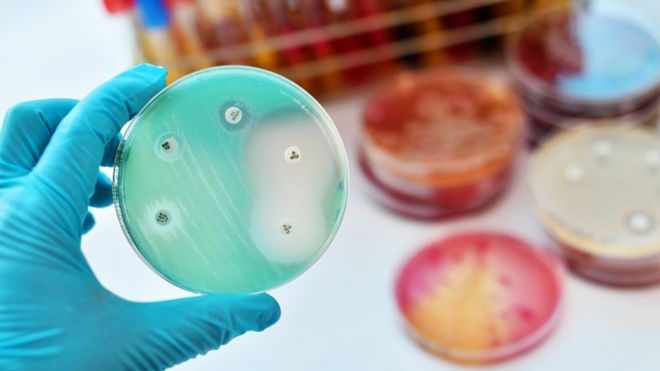
Image result for HPV Vaccine meme
https://thelogicofscience.com/2015/10/12/100-bad-arguments-against-vaccines/

Blog 5: Antibiotic Resistance

Petri dish with bacteria
https://www.bbc.com/news/health-46973641

Antibiotic resistance is a problem we cannot ignore any longer. For many years it has been swept under the rug, but now it is our problem and if we do not confront it, antibiotics will no longer be an option for treating disease. The use of antibiotics in our world has led to the production of many superbugs. Superbugs are defined as organisms that have acquired resistance to most of our antibiotics we commonly use to treat infection. With the emergence of these superbugs, we are running out of options for treating these commonly seen microorganisms. The worst part about this phenomenon is that there are constantly new organisms that are gaining resistance. For example, on January 21st of this year an article was published about a new species that has acquired antibiotic resistance. The bacteria in this study “was found in the same family as E. coli and Salmonella spp.” and was named Scandinavium goeteborgense after the city in Sweden “where the bacterium was isolated and the research was done.”

Both the proper use and misuse of antibiotics causes the genomes of the microorganisms to slowly shift to where they can evade the mechanisms used by antibiotics to kill or inactivate them. If this continues, there will be major repercussions for health across the globe. Antibiotics are used to cure infections and make them less potent, therefore decreasing the fatality rates we see from these microorganisms. If resistance continues to multiply and we can no longer use them, we could, in our lifetime, see devastating mortality rates from previously treatable diseases. This would be a major threat to many hospitals and nursing homes in particular where the immunocompromised reside. Personally, I find this very scary because it would affect each individual in the world and we could see our population diminish more rapidly than ever.

So what is causing this resistance to form? Well, there are many factors involved in antibiotic resistance. Within the bacteria we see spontaneous genome mutations occur which produce new mechanisms that are used to avoid the attack of the antibiotic. These mutations occur more rapidly with the unnecessary prescribing of antibiotics for viruses or sniffles and the incorporation of antibiotics into our water, facial products, soil, soaps, vegetables, and meat we buy from the store. When I found out antibiotics are in most of the things I use every day, I was alarmed and it makes me want to be more wary of what I am putting on or inside my body. Antibiotics are commonly used in farm animal production to make the animal have more meat on its body so that it is more profitable when sold. And don’t be fooled if the tag on your meat says “antibiotic free,” because all this means is that the animal was taken off their antibiotics approximately two weeks prior to testing, so the antibiotics would be undetectable. Antibiotic resistant microorganisms will have mechanisms that actually fight back against the antibiotic. An example of this given by the CDC in 2019 would be the “extended-spectrum beta-lactamases (ESBLs) which break down the beta-lactam antibiotics.” The ESBLs are enzymes made by the Enterobacteriaceae family that is commonly seen in the hospital and other health care settings.

So what do we do about this problem? TheScientist suggests that we begin searching for other options to treat resistance. I think this is a great idea, because we are obviously just creating more and more resistance by firing back with different antibiotics. It is microbial warfare and since our war plan is not working right now, it is time we devise a new one. The article says, “there is now a renewed interest in using bacteriophages to treat bacterial infections.” Let’s begin searching for new techniques like this one and start a real fight against these ever-changing microorganisms.

Kelly Clarkson bacteria meme
https://www.idstewardship.com/top-entertaining-idstewardship-instagram-posts-in-2016/

Blog 4 – Vaccines and Polio

http://sphweb.bumc.bu.edu/otlt/MPH-Modules/PH/Polio/Polio_NEW4.html

Vaccines have had a major impact on the world’s health since their discovery. A vaccine not only has the power to prevent disease in individuals but may also hold the key to eradicating certain diseases. Vaccines are carefully prepared to expose a person’s body to the pathogen they are trying to resist so that the immune system can remember this disease and have the antibodies to fight it off upon a second encounter. There are two different types of vaccines that can be used: attenuated which is a weakened version that cannot cause disease or inactivated which cannot replicate.

One vaccine that has made a huge impact is the vaccine against poliomyelitis. The attenuated version of this vaccine is called OPV or oral polio vaccine and the inactivated version is IPV or inactivated polio vaccine. IPV first appeared in the 1950s and was then followed by OPV in the 1960s. Together these have worked to lower the rates of polio seen in the population. According to Cochrane, wild polio virus can cause paralysis, but another causative agent of paralysis in rare cases is the OPV. They are also saying that although the vaccines have decreased the rate of infection of polio virus, “the cases of paralysis linked to the OPV are currently more frequent than those related to the WPV.” Although this may sound scary, I would like to check out the supporting evidence to this claim. Cochrane’s certainty of the evidence is low to moderate for this evidence. I believe when we hear certain things pertaining to vaccines, we are especially scared and cautious because of the lies we have been hearing about vaccines causing autism. Even if this evidence about the OPV causing paralysis were true, we would still need to make the choice to choose the lesser of the two evils. We could either chance getting polio or chance developing paralysis. Neither sound like great options to me, but it is a good thing this isn’t the case, because the vaccine has been effective to almost wipe polio off the face of the earth.

As of right now, the polio virus has almost been eradicated entirely. There are three strains which are WPV1, WPV2, and WPV3. According to a study done by the University of Missouri, WPV2 and WPV3 have been eradicated, but there are still cases of WPV1 found in Afghanistan and Pakistan. The thing I found most interesting in this article was that “a sustained polio-free world will generate $14 billion in savings by 2050.” This is a crazy large amount of money! This money could be used to go towards more vaccine discovery or even to health care systems across the globe. I find it amazing how there is so much evidence for vaccines working, yet many still speculate about the effects of it. I believe we need to push for more vaccinations so that we can continue to lower the burden of diseases across the globe.

Blog 3: The Newest Information on the Microbiome

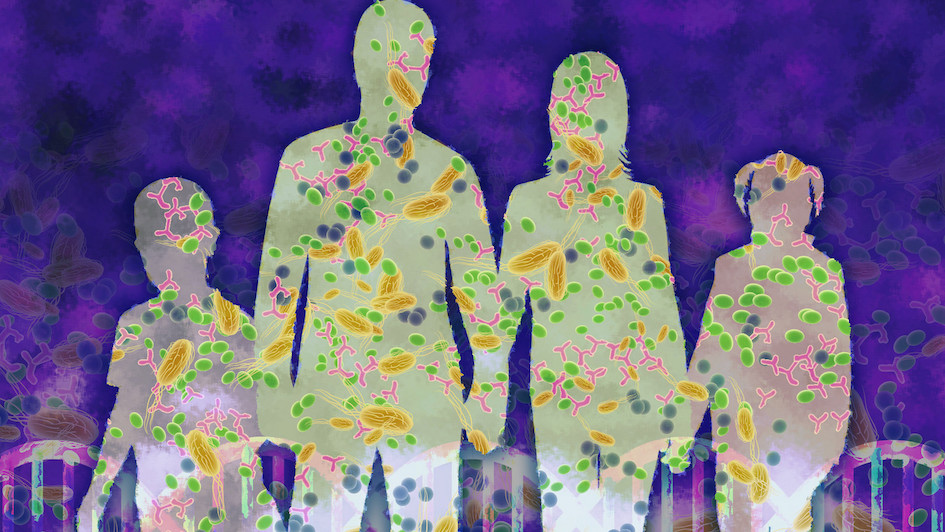
Human microbiome graphic
https://www.icr.ac.uk/blogs/tales-from-the-lab/page-details/science-writing-prize-2018-the-human-microbiome-and-cancer-friend-or-foe

The microbiome is a relatively new discovery in the scientific world, and there is still a lot we don’t know about it. There are more microbial cells in our body than there are human cells. Although this sounds like a bad thing, it is actually one of the things that keeps all of our systems in check and is probably more help than harm to us. In the Stanford Medicine News Center, Krista Conger tells us that the microbiome is “likely to be involved in key biological processes such as intercellular communication and warfare, as well as maintenance tasks necessary to keep the bacteria healthy.” How did we not know this before? It seems like the microbiome has a huge impact on us, but we weren’t even aware of it until recently. This is amazing to me because it testifies to the complexity and intricacy of the human body. The new discoveries being made about the microbiome could leave a lasting impact on medicine and human health. In the same article as I mentioned above, Conger says, “Such proteins might serve as new antibiotics or drugs for human use.” Because of this, I believe the microbiome may be opening doors to enhance our health long-term.

On the other hand, a study performed by the Washington University School of Medicine says the microbiome of the upper airway may be linked to the severity of asthma. Although they cannot yet prove causation, their initial hint towards a correlation came from a discovery they made. “The researchers found that children who experienced early warning signs that their asthma was going to flare up were more likely to have bacteria associated with disease — including Staphylococcus, Streptococcus and Moraxella bacterial groups — living in their upper airways.” This demonstrates how an alteration in the microbiome could easily mess up our systems and lead to diseases.

Microbiome
https://www.discovermagazine.com/health/from-the-gut-to-the-womb-how-the-microbiome-shapes-our-health

Lastly, a study is being performed on the possibility that the microbiome may be associated with the development of colon cancer. This too indicates the possibility that disruptions in the microbiome could be linked to human disease. Medical professionals at George Washington University said, “in the future, younger patients can simply have their stool tested for these altered microbiomes and look for risk for colon cancer, preventing its development.” Although it is bad that the disruption of the microbiome could be a cause for colon cancer, it is still incredible that the discovery of the microbiome is allowing us the opportunity to find new diagnostic techniques. This raises the question of whether the implications of the microbiome will be more a more positive discovery for our health or will it open our eyes to the more negative side of disease. Personally, I believe that whatever it unveils, a new discovery is always a success.

The microbiome is a hot topic for microbiologists across the globe right now because there is so much more to find out, but the crazy fact of it all is that, no matter how far we look, there will always be more to learn and discover. Science is an ever-changing field that will never fail to keep us on our toes and searching for more information and discoveries.

Blog 2: Influenza Virus

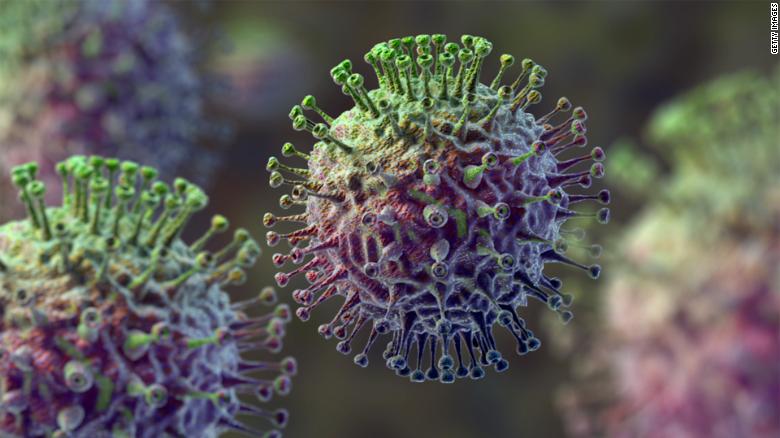
4 ways the flu turns deadly
https://www.cnn.com/2020/01/30/health/flu-deadly-virus-15-million-infected-trnd/index.html

You hear about it every year. “Have you gotten your flu shot?” “Free flu shots given here!” The flu, also known as the influenza virus, impacts a multitude of people worldwide. According to MedicalNewsToday, “Influenza, or flu, is a respiratory illness that results from a viral infection. Flu is highly contagious and spreads through respiratory droplets.” The flu is characterized by many signs and symptoms including fever, chills, muscle aches, headache, coughing, fatigue, and overall weakness. Each person is different when the virus infects them, so they could have some of these signs and symptoms and not others, depending on how the virus is expressed inside of them.

The impact of the virus also depends on the pre-existing health conditions of the individual. The flu has worse effects on immunocompromised individuals such as pregnant women. This is because “pregnancy affects how the immune system works” and the woman may be hospitalized in order to avoid the chance of preterm birth, low birth weight, or a stillbirth. The flu can have more serious impacts on the elderly and other immunocompromised individuals as well. This is because it makes them more susceptible to secondary infections and can be fatal under certain circumstances. The flu takes many lives across the globe each year.

Flu season begins in late fall and continues into the winter months. Prior to this season, scientists work hard to make predictions and put together an effective vaccine. There are typically three strains of the virus: Type A, Type B, and Type C. These different strains are what scientists use to determine the vaccine they need to create for the upcoming flu season. Unfortunately, the strains that are chosen, are not always the ones that end up appearing during flu season. In fact, The New York Times recently published an article discussing the effectiveness of the vaccine this year. Although it is still a bit too early to assess the severity of the flu for this year, they are saying, “this year’s flu vaccine may not be particularly effective against the strain of the virus now widespread in the United States.” Nevertheless, a little bit of protection is better than none at all and it can still reduce the severity of the virus even if it does not provide full protection from it.

The flu will not be leaving the earth any time soon, if ever. In the meantime we can practice good hand hygiene, avoid contact with those who are infected with the influenza virus, and get our flu vaccine, whether it targets the correct strain or not.

Image: File photo of a nurse preparing an injection of the influenza vaccine at Massachusetts General Hospital in Boston
https://www.nbcnews.com/health/health-news/researchers-take-step-towards-better-flu-vaccine-n838901

Blog 1 Extra Credit – Coronavirus

By now, we have all heard about the coronavirus. We may not know exactly what it is, but we know it is a problem that we’ve been hearing a lot about recently. Just today the Coronavirus was declared a global health emergency. The main reason behind this is to prevent the spread of this disease to countries that do not have as many health resources as we have here in the United States. The virus began to appear in Wuhan, China and has recently spread to the United States. Along with being declared a global health emergency, U.S. residents are encouraged to reconsider their travels to and from China.

So what exactly is it? The Coronavirus causes infection in the respiratory tract and is most commonly seen with the symptoms of fever, cough, and shortness of breath. The virus is transmitted mainly by way of direct contact with body fluids when sneezing or coughing, direct contact with the infected person, or indirect contact with a fomite an infected person may have touched. The incubation period for this disease is 2-14 days, varying from person to person. The main way to prevent the spread and contraction of this disease is by washing your hands, and avoiding contact with portals of entry such as our nose, mouth, and eyes.

I think it is very smart to declare this a world health emergency. Previously, I did not think the virus was a big deal, but I had not thought of the effects it could have on underdeveloped countries. There are not resources, medicine, or good economic systems that can fund treatment for this virus, which would result in a more fatal situation. It is incredible how fast a disease can go from infecting a small area to the entire world. Thus far there have been 213 deaths and 9,800 cases of this virus and these numbers continue to grow. As of right now, we can play our part in preventing the spread of this virus by washing our hands every chance we get and encouraging others to do so as well.

Blog 1 – Wakefield’s MMR Vaccine Disclaimer

Andrew Wakefield outside the GMC
Photo by Anthony Devlin/PA
https://www.theguardian.com/society/2012/jan/05/andrew-wakefield-sues-bmj-mmr

In 1995, Andrew Wakefield conducted a study that was determined to find causation between the Measles, Mumps, Rubella Vaccine and autism. According to Very Well Health, Wakefield was approached by a group of parents that claimed the vaccine had caused autism in their children and wondered if he could look into this. A few years later, Wakefield accepted the offer and studied twelve children who were “consecutively referred to the department of pediatric gastroenterology.” When people began to hear his warnings about the vaccine causing autism, some immediately stopped vaccinating their children. Without looking into Wakefield’s study and seeing what he had found to back up his claims, a group of anti-vaccinators grew and accepted the study at face value.

After publishing his work, many of his co-authors backed out of the study and did not support the information that was being published because they saw the many errors of the study. This seems to be a pretty bad sign when you are trying to publish a scientific study. There were several cases of misconduct throughout the study including ethical violations and the collection of error-filled data. Very Well Health also took note of the fact that Wakefield’s research has never been replicated. This is all very interesting to me because, although it was never able to be replicated and was even retracted from the scientific world, so many people base their ideas of anti-vaccination off of Wakefield. This movement continues today and has been going on ever since he came out with the study in 1995.

Prior to working on this research, Wakefield had discovered the cause of Chron’s disease, and was then exploring the option that the MMR vaccine may have been one of the leading factors for this disease. I suppose he had always been a little biased against the vaccine. I believe these attempts to find a connection between the vaccine and autism may have been forced by Wakefield through his desire to gain credit for another discovery soon after his first Chron’s disease discovery.

Now that a portion of the population has started listening to Wakefield and not receiving their vaccinations, we are beginning to see more outbreaks of these very diseases in the U.S. and across the world. Newsweek tells us there was an outbreak of Measles in 2014 that began at Disneyland in California and then spread to many other states in the US. It is interesting that Wakefield takes no responsibility for this and instead passes it off to those involved in the vaccine policymaking. The more people that do not receive the MMR vaccine, the more people we see becoming infected with the very viruses they could have been protected from.

Welcome!

Welcome to my blog! My name is Rebekah Vertrees and I am currently a sophomore at the University of North Carolina at Chapel Hill. I am a pre-nursing student and am minoring in Spanish for the Medical Professions. I am from a small town in Western NC called Waynesville. Some of my favorite things are golden retrievers, hiking, and country music. One of my favorite hiking destinations is Max Patch, which is only about a 30 minute drive from my house in Waynesville and is a part of the Appalachian Trail. Last summer, I camped on top of Max Patch and it was incredible to wake up to a panoramic view of the sunrise over the mountains. I am excited to delve in and learn about the complexity of Microbiology this semester at UNC!

Photo by Rebekah Vertrees